 扫码点读
扫码点读
蜗牛叔叔的《小猪佩奇》英语启蒙家庭手册
104集深度教案 · 5层词汇阶梯 · 400+句型模板 · 0基础家长直接用
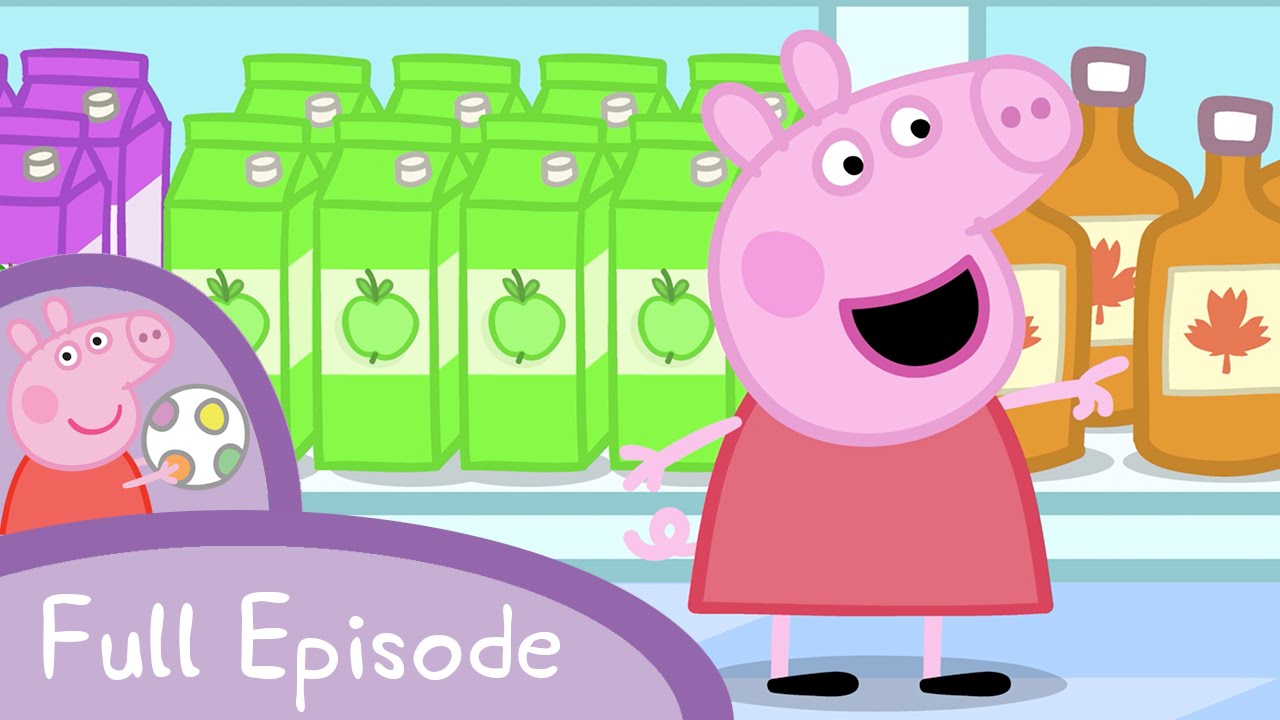
这一集只做一件事:一家四口去超市购物。四样东西,一张清单,孩子来找。但这件事里藏着英语启蒙最密的日常词汇场景——食物名称、数量、方向指引,还有乔治说不清"Spaghetti"却坚持说"Pi-getty"的那种可爱劲儿,比任何教材都真实。
总览
主题场景索引
- 超市购物:清单驱动的任务式场景,孩子有目标、有节奏。
- 食物识别:番茄、意面、洋葱、水果,名称配画面,一一对应。
- 数量数数:每找到一样东西,就数一遍,天然复习数字。
- 发音挑战:乔治一口咬定"Pi-getty",全家纠正 Spa-ghe-tti,真实又好笑。
- 结账收尾:Daddy 偷放巧克力蛋糕,妈妈假装"它也在清单上"。
shopping trolley list tomatoes spaghetti onions fruit checkout chocolate cake
一句话结论
这集最值得抓的,不是食物名称本身,而是"清单里有什么、找到了说一声、找到以后怎么数"这三个循环动作——它们天然适合在每一次真实购物时复现。
快速定位
| 维度 | 本集内容 | 对家长有什么用 |
|---|---|---|
| 核心场景 | 超市购物 + 清单寻找 + 结账 | 每次出门买东西都能用,场景复现率极高。 |
| 核心词汇 | trolley / list / tomatoes / spaghetti / checkout |
食物词汇 + 购物程序,孩子在真实超市里立刻能对上。 |
| 核心句型 | What's next on the list? / I can see them! / Well done! |
任务寻找句 + 发现句 + 鼓励句,三句撑起整个购物流程。 |
| 家庭场景 | 推着手推车找东西、数数、结账 | 购物车、找货架、排队结账,真实生活场景一比一。 |
故事骨架
1. 出发:推着手推车,乔治最爱坐进去
George loves sitting in the trolley.
Daddy, can I sit in the trolley, too?
You're too big for the trolley, Peppa.
启蒙价值:trolley(购物车)是这集第一个高频词。佩奇想坐但被说"太大了",这个 too big for 的句型,家长可以直接在超市里说给孩子听。
2. 任务开始:清单上有四样东西
We've got four things on the list. Tomatoes, spaghetti, onions and fruit.
I'll find it all! This way!
启蒙价值:清单是这集的叙事主线。on the list(在清单上)这个短语反复出现,孩子会听到不止一次——是最自然的输入方式。
3. 寻找食材:佩奇发现、妈妈数数、放进车里
I can see them! I can see them!
One, two, three, four. Now, put them in the trolley.
Tomatoes, that's one thing off the list.
启蒙价值:I can see ...! 是发现感最强的句型。每找到一样东西,就数一遍,one thing off the list 还顺带教了"划掉一项"的概念,逻辑清晰。
4. 发音高光:乔治的 Pi-getty vs Spaghetti
George: Pi-getty!
Peppa: That's right, George, but it's called spa-ghe-tti.
George: Pi-getty!
启蒙价值:这是全集最好的语音启蒙素材。孩子发音不准是正常的——乔治错了,佩奇温柔纠正,没有责怪,只是示范。语音节奏 spa-ghe-tti 分三节拍,朗朗上口。
5. 结尾彩蛋:爸爸偷放巧克力蛋糕
Chocolate cake? Is that on the list?
Er... I thought it might be nice for pudding.
Daddy Pig! Naughty Daddy! Sorry! It just looked so delicious.
Let's pretend it was on the list. Chocolate cake.
启蒙价值:这是全集最轻松的结尾。I thought it might be nice 是大人说话的方式,Let's pretend ... 是假装游戏的标准句型——孩子以后可以在任何想要什么的时候学着用。
原始台词精选
按故事顺序排列,挑孩子最容易接住的先说。
| 谁说的 | 原始台词 | 这句在教什么 |
|---|---|---|
| 旁白 | Peppa and George are going shopping! | 进行时态 + 购物场景引入 |
| Peppa | Daddy, can I sit in the trolley, too? | 请求句型,can I ...? |
| Daddy | You're too big for the trolley, Peppa. | too ... for ... 表示"对某人来说太……了" |
| Daddy | We've got four things on the list. | 数量 + on the list 短语 |
| Peppa | I can see them! I can see them! | 发现句,重复强调,情绪饱满 |
| Mummy | Well done, Peppa! One, two, three, four. | 鼓励 + 数数,两件事合一 |
| Peppa | That's right, George, but it's called spa-ghe-tti. | 温柔纠正 + 音节示范 |
| Daddy | George, there aren't any dinosaurs in the supermarket! | 否定句 + any 的用法 |
| Mummy | The last thing on the list is fruit. | 序数词 + 清单结构 |
| Daddy | Er... I thought it might be nice for pudding. | 委婉解释,大人说话方式 |
| Mummy | Let's pretend it was on the list. Chocolate cake. | Let's pretend ... 假装句型 |
| 旁白 | This is the checkout where all the food is paid for. | 结账流程说明 |
词汇语言分析
如果家长边看边带,可以按五层去抓。每一层不是"该教什么",而是"孩子最容易先接住什么"。
第一层|画面里看得到的东西
这集的超市画面非常直观:食物整齐排列在货架上,每样东西都有清晰特写。
trolley— 购物车,乔治坐在里面tomatoes— 红色,圆的,佩奇第一个找到spaghetti— 长条意面,乔治最喜欢的食物onions— 洋葱,妈妈提醒下一样fruit— 水果区,有苹果、橙子、香蕉、甜瓜melon— 大甜瓜,乔治选的chocolate cake— 爸爸偷放的那块
家长怎么用:下次去超市前,先问孩子"What's on our list today?",进超市时指着货架说 Can you see the tomatoes?,让购物本身变成英语练习。
第二层|角色在做的动作
这集的动作词全都对应购物流程,生活复现率极高。
find— 佩奇寻找每样东西put in— 把东西放进购物车count— 数数,妈妈数番茄choose— 让乔治自己选水果pay for— 结账,虽然孩子不操作,但听到了pretend— 爸爸提议假装蛋糕在清单上
家长怎么用:让孩子帮着 find 东西,找到了再 put in 购物车。动作和词语同时发生,不用解释孩子也能懂。
第三层|嘴边的口头禅
这些话在这集里反复出现,是孩子最容易先模仿的。
Well done!— 妈妈夸佩奇,出现多次This way!— 佩奇引路时说I can see it!— 发现目标时喊出来What's next?— 推进节奏的追问Never mind— 乔治选植物没选成,妈妈安慰Hurray!— 找到东西或开心时的欢呼
家长怎么用:孩子做对了就说 Well done!,让孩子带路时说 Which way? 等他说 This way!,把口头禅变成真实互动的触发词。
第四层|能直接套用的句子模板
| 模板 | 本集例句 | 换到家里 |
|---|---|---|
Can I ... , too? | Can I sit in the trolley, too? | Can I have some cake, too? / Can I come, too? |
What's next on the list? | What's next on the list? | What's next? / What do we need next? |
I can see ...! | I can see them! | I can see Daddy! / I can see our house! |
Let's pretend ... | Let's pretend it was on the list. | Let's pretend we're at the beach! / Let's pretend I'm the shopkeeper! |
家长怎么用:购物时让孩子来念清单 What's next on the list?,找东西时一起喊 I can see it!,两句话就能把整个购物过程变成英语游戏。
第五层|一听就想学的声音
Pi-getty!— 乔治说不清 Spaghetti,但这个错误版本无比可爱Hmmmm!— 佩奇思考或闻到香味时的声音Oh, goody!— 听到好消息时的高兴表达Hurray!— 全集结尾的集体欢呼Yummy!/delicious— 关于好吃的感叹词
家长怎么用:下次孩子吃到喜欢的东西,试试 Yummy! It's so delicious!,然后问 Do you want more?。情绪词比任何词汇表都好记。
家庭复用
这集最好用的四个时刻
| 什么时候说 | 家长说什么 | 在教什么 |
|---|---|---|
| 去超市之前 | We've got three things on the list. Apples, milk and bread. | on the list + 食物名称 |
| 在货架前找东西 | Can you see the apples? I can see them! This way! | Can you see ...? + I can see ...! |
| 孩子找到了 | Well done! One, two, three. Now put them in the trolley. | 鼓励 + 数数 + 动作指令 |
| 结账排队时 | This is the checkout. This is where we pay for everything. | 程序说明,结账词汇 |
进阶用法:这些话可以用一个月
| 场景 | 入门版(先用这个) | 进阶版(熟练后升级) |
|---|---|---|
| 寻找东西 | Can you see it? | Can you find the tomatoes? They should be over there. |
| 找到了 | Well done! | Well done! That's one thing off the list! What's next? |
| 选水果 | Which one? | What fruit shall we have? Apples? Oranges? Or a big melon? |
| 想吃零食 | Can I have some? | I thought it might be nice for pudding. Can we pretend it's on the list? |
速览总结
如果只记一件事
下次去超市,推着车的时候说:What's next on the list?
让孩子找,找到了一起喊:I can see it! Well done!
一个任务,一个发现,一个鼓励。这三句话撑得起每一次真实购物。
锦囊建议
| 今天先做什么 | 具体动作 | 先说哪句 |
|---|---|---|
| 今天吃意面 | 端上桌时说出来 | Spaghetti! It's George's favorite! |
| 下次去超市 | 让孩子帮着找一样东西 | Can you find the tomatoes? |
| 睡前游戏 | 假装去超市,数数买了什么 | We've got four things on the list! |
相关推荐
S1E1 → S1E2 → S1E49 → S1E50,四集覆盖"出去玩 → 找东西 → 购物 → 庆生"四个最常见生活场景,词汇递进,节奏自然。