 扫码点读
扫码点读
蜗牛叔叔的《小猪佩奇》英语启蒙家庭手册
104集深度教案 · 5层词汇阶梯 · 400+句型模板 · 0基础家长直接用
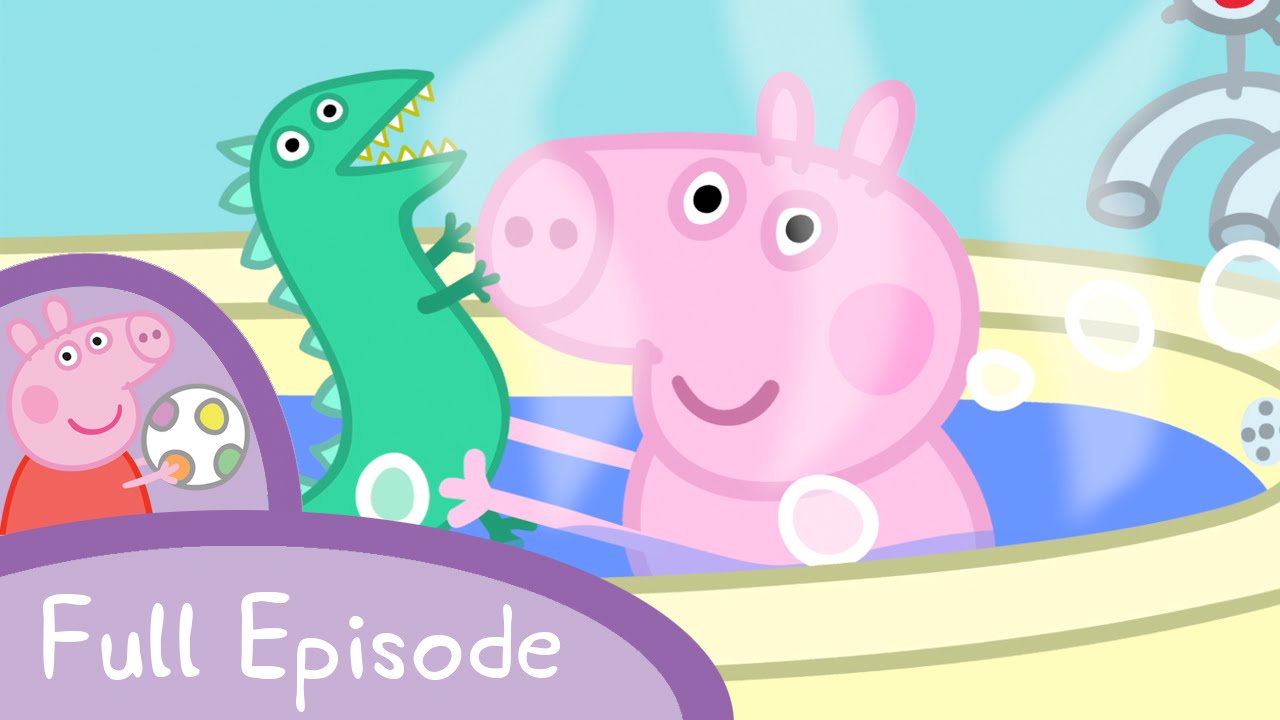
George 弄丢了他最爱的恐龙玩具。全家人一起帮他找,Peppa 当了侦探,从浴缸找到床上,最后发现恐龙被扔到了树上。这集的核心不是"丢东西",而是孩子怎么描述问题、大人怎么引导思考、找到以后怎么表达开心。
总览
主题场景索引
- 心爱的玩具:George 和恐龙形影不离,吃饭、洗澡、睡觉都在一起。
- 东西丢了:玩具不见了,孩子的第一反应是哭,大人的反应是帮忙想办法。
- 当侦探找东西:Peppa 学着大人的话,一步步排查去过的地方。
- 失而复得:在树上找到了,全家都高兴。
dinosaur lost bath bed garden tree detective throw
一句话结论
这集最值得抓的,不是恐龙在哪里,而是找东西的过程中,孩子怎么用英语推理"他可能在哪",以及找到以后那句 There he is! 带来的成就感。
快速定位
| 维度 | 本集内容 | 对家长有什么用 |
|---|---|---|
| 生活场景 | 吃饭 → 洗澡 → 睡觉 → 找东西 | 四个场景全是日常,每天都能复现。 |
| 核心词汇 | dinosaur / lost / bath / bed / garden / tree / throw / catch |
围绕"东西在哪",每个词都对应一个具体位置或动作。 |
| 核心句型 | Where is ...? / Have you lost ...? / There he is! |
一个问位置,一个确认丢了,一个表达找到了。三句撑起整个找东西流程。 |
| 家庭场景 | 找玩具、找鞋子、找遥控器 | 家里天天丢东西,天天都能用。 |
故事骨架
1. George 和恐龙形影不离
Narrator: George's favourite toy is Mr. Dinosaur.
George: DineDine SawSaw.
开场用三个场景交代 George 有多爱这只恐龙:吃饭坐旁边、洗澡一起泡、睡觉一起盖被子。孩子立刻能代入——谁没有一个走哪带哪的玩具?
启蒙价值:favourite 这个词不用翻译,孩子看到 George 抱着恐龙的样子就懂了。DineDine SawSaw 是 George 的婴儿发音,孩子会觉得亲切,也会想跟着说。
2. 恐龙不见了,George 大哭
George: Whhhhaaaaaaaaaaa.
Peppa: George, what's the matter?
Narrator: George has lost Mr. Dinosaur.
Mummy: Don't worry George. We'll find Mr. Dinosaur.
东西丢了,孩子第一反应是哭。Mummy 没有责备,而是说 Don't worry, we'll find him。这句安抚比"别哭了"有用一百倍。
启蒙价值:What's the matter? 是关心别人时最常用的问法。孩子先听熟,以后看到别人不开心就能用出来。
3. Peppa 当侦探,开始排查
Daddy: It's a job for a detective.
Peppa: Me. Me. I'm good at finding things.
Peppa: George always has Mr. Dinosaur with him in the bath. So Mr. Dinosaur is in the bath.
Peppa 用推理的方式找东西:George 洗澡带恐龙 → 去浴缸找。George 睡觉带恐龙 → 去床上找。虽然两次都没找到,但这个"回忆 → 推理 → 验证"的过程,比直接告诉答案有价值得多。
启蒙价值:So ... 表示推理结论,孩子反复听到"因为他总在浴缸里洗澡,所以恐龙在浴缸里",逻辑思维和英语同时在练。
4. Daddy 给出关键线索
Daddy: George, you do love to throw Mr. Dinosaur in the air... I wonder if this time you threw Mr. Dinosaur just a bit too high.
全家在花园里找不到,Daddy 没有直接说答案,而是引导大家想——George 最爱把恐龙往天上扔,会不会这次扔太高了?镜头一抬,恐龙卡在树上。
启蒙价值:I wonder if ... 是猜测的说法,比直接说"在树上"更有引导力。孩子学会的不只是一个句子,而是"怎么用英语想问题"。
5. 找到了,皆大欢喜
Peppa: There he is! There he is! I saw him first.
Daddy: Well done, Peppa. You really are a very good detective.
找到的那一刻,Peppa 抢着说 I saw him first。Daddy 的 Well done 是对努力的肯定,不是对结果的表扬。
启蒙价值:There he is! 是找到东西时最自然的反应,短、快、带劲。孩子在家找到任何东西都能喊出来。
原始台词精选
下面的台词按出场顺序排列。不用逐句教,挑孩子能接住的先用。
| 谁说的 | 原始台词 | 这句在教什么 |
|---|---|---|
| 旁白 | George's favourite toy is Mr. Dinosaur. | 用 favourite 表达最喜欢 |
| 旁白 | Sometimes, George likes to scare Peppa with Mr. Dinosaur. | 用 likes to 描述习惯 |
| Peppa | Eeek. Too scary. | 用夸张语气表达"害怕" |
| Daddy | I beg your pardon. Was that you George, or was it Mr. Dinosaur? | 餐桌上的幽默和礼貌用语 |
| Peppa | George, what's the matter? | 关心别人的标准问法 |
| Mummy | Don't worry George. We'll find Mr. Dinosaur. | 安抚情绪 + 承诺行动 |
| Daddy | A detective is a very important person who is good at finding things. | 用定义句解释新词 |
| Peppa | George always has Mr. Dinosaur with him in the bath. So Mr. Dinosaur is in the bath. | 推理:从习惯推出结论 |
| Daddy | I wonder if this time you threw Mr. Dinosaur just a bit too high. | 用猜测代替直接告知 |
| Peppa | There he is! I saw him first. | 找到东西时的兴奋表达 |
词汇语言分析
如果家长边看边带,可以按五层去抓。每一层不是"该教什么",而是"孩子最容易先接住什么"。
第一层|画面里看得到的东西
这集画面围绕家里的几个房间转:餐桌、浴缸、卧室、花园。每个地方都和恐龙的下落有关。
dinosaur— George 手里那只绿色玩具恐龙bath— 浴缸,George 和恐龙一起泡澡bed— George 的小床,恐龙被塞在被子里tree— 花园里的大树,恐龙最后卡在上面garden— 全家出来找恐龙的地方toy— 旁白说的favourite toy
家长怎么用:看动画时指着画面说。浴缸出现说 bath,床出现说 bed,树出现说 tree。孩子不用记住,只要"听到声音的同时看到画面",就已经在建立连接了。
第二层|角色在做的动作
这集的动作全是孩子每天都在做的——扔、抓、找、哭、藏。
throw— George 把恐龙往天上扔catch— 恐龙落下来接住scare— 用恐龙吓 Peppafind— 全家帮 George 找恐龙lose— 弄丢了tuck up— 睡觉时把恐龙塞进被子guess— Daddy 说侦探要靠猜
家长怎么用:在家玩扔接游戏时说 throw 和 catch。藏玩具时说 Where is it? Can you find it?。动作带着说,孩子记得比光听快三倍。
第三层|嘴边的口头禅
这集的口头禅集中在"找东西"的对话里,每一句都能在日常中直接用。
don't worry— 安慰人的第一句话I know— 想到了,有主意了oh— 没找到时的失望well done— 做得好what's the matter— 怎么了oh dear— 轻微担心there— 找到了,在那儿
家长怎么用:孩子着急时说 don't worry,孩子完成一件事时说 well done,找到东西时说 there it is。这些词不需要教,家长自己常说,孩子就会跟。
第四层|能直接套用的句子模板
这一集有四个模板句,每个都能换词复用:
| 模板 | 本集例句 | 换到家里 |
|---|---|---|
Have you lost ...? |
Have you lost Mr. Dinosaur? | Have you lost your sock? / Have you lost your cup? |
Where is ...? |
Where's Mr. Dinosaur? | Where is your shoe? / Where is Daddy? |
There ... is! |
There he is! | There it is! / There she is! |
I wonder if ... |
I wonder if you threw Mr. Dinosaur just a bit too high. | I wonder if it's under the sofa. / I wonder if Daddy has it. |
家长怎么用:Where is ...? 是最容易上手的。每天找东西的时候说一句,孩子很快就会自己问 Where is my ...?。
第五层|一听就想学的声音
这些不是词汇,是情绪。孩子最先模仿的往往就是这些声音。
Grrrrrr!— George 学恐龙叫Eeek!— Peppa 被吓到Whhhhaaaaa!— George 大哭Wheeeee!— 把恐龙扔上天的兴奋DineDine SawSaw!— George 叫恐龙的婴儿发音
家长怎么用:和孩子玩恐龙时一起喊 Grrrrrr,扔东西时喊 Wheeeee。声音是情绪的出口,孩子喊出来就已经在"说英语"了。
家庭复用
这集最好用的四个时刻
| 什么时候说 | 家长说什么 | 在教什么 |
|---|---|---|
| 孩子找不到玩具 | Where is your teddy? Have you lost it? |
用疑问句描述"东西丢了"这件事 |
| 孩子着急哭闹 | Don't worry. We'll find it. |
安抚情绪并承诺帮助 |
| 一起找东西的过程中 | I wonder if it's in your room. Let's go and look. |
用猜测引导孩子回忆和思考 |
| 找到东西的那一刻 | There it is! Well done! |
用短句表达兴奋和肯定 |
进阶用法:这些话可以用一个月
| 场景 | 入门版(先用这个) | 进阶版(熟练后升级) |
|---|---|---|
| 找东西 | Where is it? | Have you lost your teddy? Where did you put it? |
| 安抚 | Don't worry. | Don't worry. We'll find it. Let's look together. |
| 猜测 | Maybe here? | I wonder if it's under the bed. Let's go and check. |
| 找到了 | There! | There it is! I saw it first! Well done! |
速览总结
如果只记一件事
下次孩子找不到玩具,别急着帮他拿。先说:Where is your toy?
然后带着他找,找到时一起喊:There it is!
一个提问,一个发现。这两句话能把每一次"找东西"变成一次英语练习。
锦囊建议
| 今天先做什么 | 具体动作 | 先说哪句 |
|---|---|---|
| 藏一个玩具 | 藏在沙发垫子下面 | Where is your toy? |
| 找到时一起喊 | 夸张点,声音大点 | There it is! Well done! |
| 下次真丢东西时 | 别帮拿,带着找 | I wonder if it's in your bag. |
相关推荐
接下来看什么
新手推荐路径
S1E1(户外玩) → S1E2(找东西) → S1E3(交朋友) → S1E6(上学) → S1E10(种花)