 扫码点读
扫码点读
蜗牛叔叔的《小猪佩奇》英语启蒙家庭手册
104集深度教案 · 5层词汇阶梯 · 400+句型模板 · 0基础家长直接用
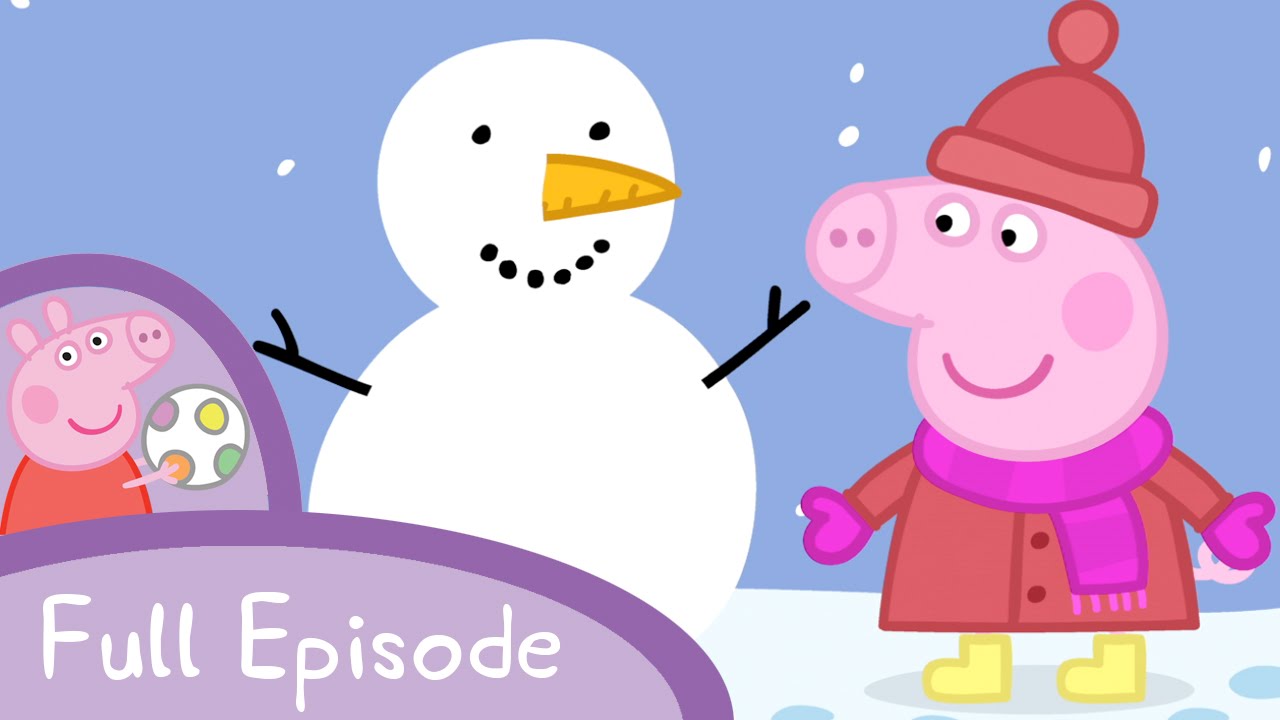
下雪了,Peppa 和 George 兴奋地冲出去玩。他们踩脚印、打雪仗、堆雪人,把 Daddy 的帽子围巾手套都给雪人穿上了。最后 Daddy 冻得直哆嗦,全家才发现雪人身上穿的就是 Daddy 的东西。这集没有复杂的情节,全部重心在"冬天出门玩雪"这一件事上——但藏着英语启蒙最实用的三条线:出门前的穿衣指令、户外活动的动作词、以及身体部位和衣物的精准对应。
总览
主题场景索引
- 冬天穿衣:出门前必须戴帽子、围巾、手套——规则不是禁止,是保护。
- 雪地游戏:踩脚印、打雪仗、堆雪人,三种玩法三组动作词。
- 堆雪人全流程:身体、头、手臂、眼睛、嘴巴、鼻子,一个完整的身体部位清单。
- 衣物归属:雪人穿了 Daddy 的衣服,结尾的反转既好笑又自然地复习了所有衣物词。
snow hat scarf gloves snowman snowball footprint cold
一句话结论
这集最值得抓的,不是"雪"本身,而是出门前 Mummy 那句"you must wrap up warm"引出的整套穿衣英语,加上堆雪人时从 body 到 nose 的身体部位完整复习,以及"Daddy 的衣服去哪了"这个结尾悬念带来的自然复述。
快速定位
| 维度 | 本集内容 | 对家长有什么用 |
|---|---|---|
| 生活场景 | 下雪 → 穿衣出门 → 踩脚印 → 打雪仗 → 堆雪人 → Daddy 的衣服不见了 | 冬天出门、穿衣服、户外玩耍,每天都能用的场景。 |
| 核心词汇 | snow / hat / scarf / gloves / snowman / cold / warm / body / head / nose |
衣物 + 身体部位 + 天气,三组词汇一集全覆盖。 |
| 核心句型 | Can we go and play in the snow? / You must wrap up warm. / Don't forget to wear your ... |
一个请求,一个规则,一个提醒。出门前三句话就够了。 |
| 家庭场景 | 冬天出门穿衣、户外玩雪、给玩偶穿衣服 | 每个冬天的早晨都能用这套对话。 |
故事骨架
1. 下雪了,想出去玩
Peppa: Mummy! Can we go and play in the snow?
Mummy: Yes, but it's very cold outside, so you must wrap up warm.
和 S1E1 跳泥坑一样的结构:孩子请求,大人同意但加条件。Can we go and play in the snow? 和 Can we go out to play? 是同一个句型的变体。Mummy 没有说"不行",而是说"可以,但要穿暖"。
启蒙价值:wrap up warm 是一个非常地道的英式表达,意思是"穿暖和"。孩子不需要记住这个短语的语法,只要每次出门前听到,就会和"穿衣服"这个动作绑定。
2. 穿好衣服,踩雪脚印
旁白: And don't forget to wear your hats, and scarves and gloves.
旁白: Peppa and George are making footprints in the snow.
出门前的穿衣清单一件一件报出来:hats、scarves、gloves。然后到了雪地,第一个游戏是踩脚印。footprint 这个词特别适合启蒙——foot + print,脚 + 印记,孩子一看画面就懂。
启蒙价值:Don't forget to wear your ... 是提醒句型。家长每天出门前都能用:Don't forget to wear your shoes、Don't forget your bag。不是命令,是温柔的提醒。
3. 打雪仗,玩过头了
Peppa: George, let's play snowballs!
旁白: Oh, dear. Maybe this game is getting a little too rough.
Peppa: Sorry, George.
打雪仗越玩越疯,George 被砸哭了。旁白用了一句很精妙的话:a little too rough——有点太粗暴了。Peppa 立刻说 Sorry, George,然后转去堆雪人。没有大人批评,孩子自己意识到了。
启蒙价值:Sorry 在这里不是被迫道歉,是自发的。孩子看到 Peppa 主动说 sorry,比家长逼着说"快跟人家道歉"有效得多。Let's play ... 是发起游戏的万能句。
4. 堆雪人,从头到脚
Peppa: George, this is the snowman's body.
旁白: Now, he needs arms and eyes and a mouth!
Peppa: This is his face.
旁白: Now the snowman needs a nose.
堆雪人的过程就是一堂身体部位课:body、head、arms、eyes、mouth、face、nose。每个词出现时画面上都在装对应的部件——树枝当胳膊、石头当眼睛、胡萝卜当鼻子。看一遍就记住了。
启蒙价值:身体部位是英语启蒙的基础词汇,但死背很无聊。这集用"给雪人装零件"的方式让每个词都有画面、有动作、有结果,是最理想的沉浸式学习。
5. 雪人穿了 Daddy 的衣服
Mummy: That is the best snowman I have ever seen!
Peppa: Daddy, why aren't you wearing your hat and scarf and gloves?
Daddy: I don't know where they are! I can't find them anywhere.
旁白: Daddy Pig's hat and scarf and gloves are on the snowman!
结尾是全集的笑点。雪人穿着 Daddy 的帽子、围巾、手套,Daddy 自己却冻得发抖。孩子们发现真相的那一刻,hat、scarf、gloves 被自然地重复了第四五遍——不是家长逼着复习,是故事本身在复习。
启蒙价值:I can't find them anywhere 是"找不到东西"的标准表达。孩子找不到玩具、找不到鞋子时都能用。这集的结尾让这句话带着笑声被记住。
原始台词精选
下面的台词按出场顺序排列。不用逐句教,挑孩子能接住的先用。
| 谁说的 | 原始台词 | 这句在教什么 |
|---|---|---|
| 旁白 | It is snowing outside! | 最简单的天气描述 |
| Peppa | Can we go and play in the snow? | 用请求句表达"我想出去玩" |
| Mummy | You must wrap up warm. | 出门前的规则:穿暖 |
| 旁白 | Don't forget to wear your hats, and scarves and gloves. | 穿衣清单式的提醒 |
| 旁白 | Peppa and George love making footprints in the snow! | 用 love ...ing 表达喜好 |
| Peppa | George, let's play snowballs! | 用 let's 发起游戏 |
| Peppa | Sorry, George. | 自发道歉 |
| Peppa | George, this is the snowman's body. | 用所有格 's 描述雪人的部位 |
| Mummy | That is the best snowman I have ever seen! | 用最高级赞美 |
| Daddy | I can't find them anywhere. | 找不到东西时的标准表达 |
词汇语言分析
如果家长边看边带,可以按五层去抓。每一层不是"该教什么",而是"孩子最容易先接住什么"。
第一层|画面里看得到的东西
这集的画面分两组:衣物和雪人零件。每样东西在画面里反复出现,辨识度极高。
snow— 白茫茫的雪地,开场就满屏hat— 帽子,Peppa 戴的、Daddy 丢的、雪人穿的scarf— 围巾,和帽子总是一起出现gloves— 手套,穿戴时一双一双地数snowman— 堆好的雪人,全集后半段的主角snowball— 打雪仗用的雪球carrot— 胡萝卜当雪人的鼻子sticks— 树枝当雪人的手臂stones— 石头当雪人的眼睛和嘴巴
家长怎么用:冬天出门时一件一件说:hat、scarf、gloves。穿一件说一个词,不用翻译。孩子很快会在穿衣服时主动说出这些词。
第二层|角色在做的动作
这集的动作全是户外游戏动作——踩、扔、堆、找,每个都能在家模仿。
play— 玩雪,玩雪仗,所有游戏都从这个词开始wear— 穿戴衣物,这集里出现最多的动作make— 堆雪人、做雪球、踩脚印build— 搭建雪人find— George 找到树枝,Peppa 找到石头,Daddy 找不到衣服forget— 别忘了穿衣服
家长怎么用:穿衣服时说 wear your hat,搭积木时说 let's build,找东西时说 can you find it?,出门前说 don't forget your bag。这些动词不限于雪天场景,天天都能用。
第三层|嘴边的口头禅
这些短语在"出门玩"的场景里自然出现,孩子学会了走到哪都能说。
come on— 催 George 快点出门let's go— 出发去雪地hurray— 听到可以出去玩时的欢呼oops— 踩雪摔了一跤oh dear— 看到 George 被雪球砸了sorry— 玩过头了,道歉
家长怎么用:孩子摔了说 oops,需要道歉时先自己示范 sorry,出门时一起喊 let's go!。这些口头禅不用教,用着用着孩子就会了。
第四层|能直接套用的句子模板
这集的模板句围绕"冬天出门"展开,每个冬天的早晨都能直接套用:
| 模板 | 本集例句 | 换到家里 |
|---|---|---|
Can we go and play in the ...? |
Can we go and play in the snow? | Can we go and play in the park? / Can we go and play in the garden? |
You must wrap up warm. / You must wear your ... |
You must wrap up warm. | You must wear your jacket. / You must put on your shoes. |
Don't forget to wear your ... |
Don't forget to wear your hats, and scarves and gloves. | Don't forget to wear your sunhat. / Don't forget your water bottle. |
I can't find ... anywhere. |
I can't find them anywhere. | I can't find my keys anywhere. / I can't find my teddy anywhere. |
家长怎么用:Don't forget to wear your ... 是每天早上最实用的一句。出门前说一遍,孩子自己就会去拿——比"你怎么又忘了"管用。
第五层|一听就想学的声音
Hurray!— 听到可以出去玩时的欢呼Oops!— 在雪地里摔了一跤Arrgh!— 被雪球砸到时的惊叫Oh!— 发现雪人穿着 Daddy 衣服时的恍然大悟
家长怎么用:下雪或下雨时,一起趴在窗边喊 Hurray!。孩子掉东西时说 oops!。发现什么有趣的事情时一起 Oh!。声音是情绪的出口,先有情绪,词汇自然跟上。
家庭复用
这集最好用的四个时刻
| 什么时候说 | 家长说什么 | 在教什么 |
|---|---|---|
| 冬天出门前 | Don't forget to wear your hat and scarf and gloves! | 穿衣清单用英语过一遍 |
| 孩子想出去玩 | Can we go and play outside? — Yes, but you must wrap up warm. | 请求 + 有条件的同意 |
| 孩子玩过头了 | Maybe this game is getting a little too rough. | 不直接骂,用描述代替批评 |
| 找不到东西 | I can't find it anywhere! Can you help me? | 把"找东西"变成英语互动游戏 |
进阶用法:这些话可以用一个月
| 场景 | 入门版(先用这个) | 进阶版(熟练后升级) |
|---|---|---|
| 出门穿衣 | Wear your hat! | Don't forget to wear your hat, and scarf and gloves. It's very cold outside! |
| 请求出门 | Can we go? | Can we go and play in the snow? We'll wrap up warm! |
| 描述天气 | It's cold! | It's very cold outside. It is snowing! |
| 找不到东西 | Where is it? | I can't find my hat anywhere! Have you seen it? |
速览总结
如果只记一件事
明天出门前,一边帮孩子穿衣服一边说:Don't forget your hat!
穿好了以后竖起大拇指:Now you are nice and warm!
一个提醒,一个肯定。每天早上两句话,穿衣服的时间就变成了英语启蒙时间。
锦囊建议
| 今天先做什么 | 具体动作 | 先说哪句 |
|---|---|---|
| 出门穿衣时 | 一件一件递给孩子 | Here's your hat! And your scarf! |
| 画画或手工时 | 一起画个雪人 | This is the body. Now the head! |
| 找不到东西时 | 和孩子一起找 | Where are my gloves? I can't find them! |
相关推荐
接下来看什么
新手推荐路径
S1E1(雨天跳泥坑) → S1E2(找恐龙) → S1E6(上学) → S1E15(野餐) → S1E26(雪天堆雪人)